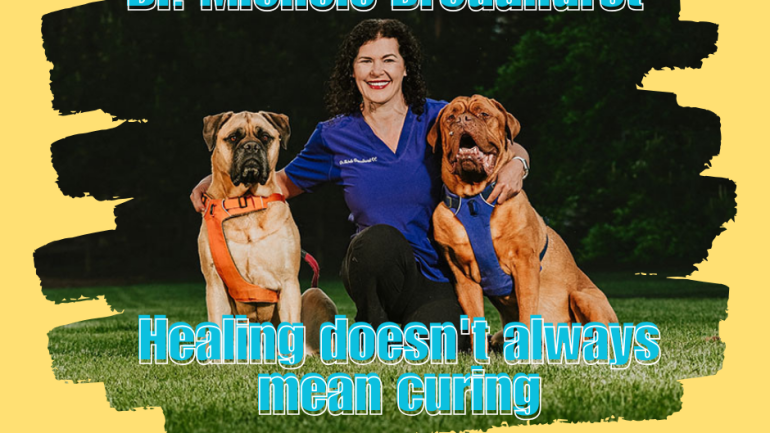


Dear Dr. Belshaw, we greatly appreciate your acceptance to be our guest in our Vetx Global series! Lets start with the first question:
The „Invisible“ SignsIn internal medicine, many conditions (like kidney or heart issues) develop silently. From your experience, what are the most common ‘lifestyle’ changes owners should look for—not in blood tests, but in their pet’s daily behavior—that might signal something is wrong internally?
Dr. Belshaw: Great question! The behaviours the pet will show at home are likely to vary with the disease and its severity. I think the main thing that owners need to be aware of is what their pet “normally” does, so they can spot the first signs of any changes away from that.

For example, it might be a slight change in their pet’s appetite, their hunger, their thirst (remembering that some diseases will make hunger and thirst increase whilst others will make them decrease), their interest in going out for a walk or in playing with a toy.
Many of the common diseases we see can also lead to subtle changes in a pet’s behaviour, including just being a bit less energetic, or seeming to be a little less confident than they usually are. Sometimes it can also be a change in their coat to looking a bit more dull, or that they have less interest in grooming themselves if it’s a cat.
If owners are tuned into what normal looks like, that can really help. Capturing videos at home on their phone, both when their pet is well and of any little changes, then bringing them to the veterinary clinic, can be really helpful for us to see what’s happening at home.
Mobility vs. Happiness
Arthritis and mobility issues are often dismissed as ‘just getting old.’ How can we help owners distinguish between a pet that is simply slowing down and one that is living in chronic pain? What does a ‘good day’ look like for a dog with mobility challenges?
Dr. Belshaw: I think this can be really challenging. Slowing down on a walk or being less keen to jump are classic signs of chronic pain, but even for vets it can be hard to detect chronic pain in some animals. I think any pet that is slowing down should have a veterinary check really to find out why as there is almost always some disease process underlying it.
If owners are tuned into what normal looks like, that can really help. Capturing videos at home on their phone…can be really helpful for us to see what’s happening at home.
Sometimes we can use a therapeutic trial of pain relief, something like an NSAID if it’s safe to give in that patient, and owners can then see after about a week that their pet is moving and feeling much better. That can help them understand that the slowing down really was pain.
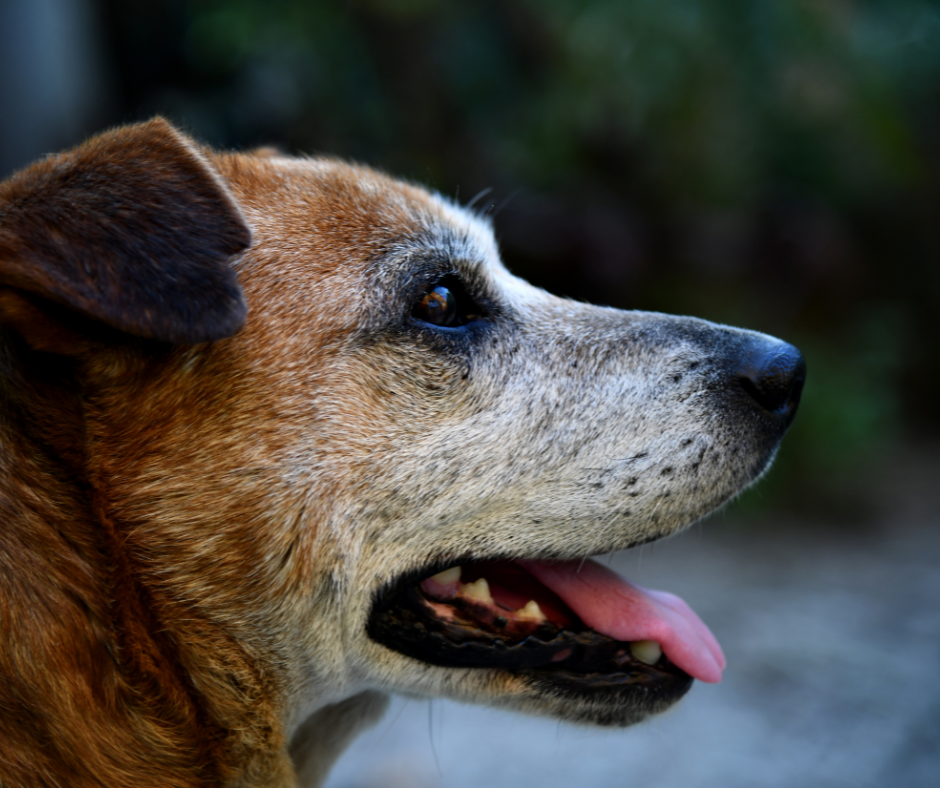
When patients have significant mobility problems, as well as pain relief, there are lots of little things that we can do to make their days good. For example, making sure that they can stand on non-slip rugs or mats when they are eating and drinking rather than hard floors which can be slippery.
Letting them sniff when out on a walk rather than pulling them along on a lead. Ensuring that their bed is comfortable for them so they can lie flat rather than being forced to curl up into a ball which might hurt. All these things can make their days better.
The Emotional Toll of Chronic Illness
Whether it’s a chronic internal disease or a joint problem, the long-term management can be exhausting for the owner. What is your best advice for maintaining a strong emotional bond when the daily routine becomes focused on medication and physical limitations?
Dr. Belshaw: You’re right, for many owners this can become tiring. We are just starting to learn about how owners cope with long periods (sometimes years) of caring for ill pets. Perhaps surprisingly, the act of caring seems to really reinforce the bond for many owners, so it isn’t necessarily that common that the bond needs reinforcing.
However, one of the clearest things that comes across in our data is how tiring it can be for people in long-term caring roles, and how difficult it can be to get a break as it can be extremely hard to find someone to look after a pet that needs special attention.
Sometimes we can use a therapeutic trial of pain relief…and owners can then see after about a week that their pet is moving and feeling much better. That can help them understand that the slowing down really was pain.
It would be great to see more specialist services who can help owners get a break by taking over the care for their pets so they can have a weekend off, or even attend their own healthcare appointments – for some people even that can be impossible. I think there is a real opportunity there for the veterinary profession to help.
Quality of Life Checklist
If you could give owners a simple ‘3-point checklist’ to assess their pet’s quality of life today—regardless of their diagnosis—what would those three points be?
Dr. Belshaw: That’s a very difficult one to answer! Rather than choosing three generic things, often what I get owners to look for is their pet making active choices to do things that they don’t have to do to survive.
So ignoring eating, drinking, toileting and sleeping which they must do, does your pet choose to do other things that they enjoy? That might be something as simple as moving around the house or garden to lie in the sunshine, pulling backwards on a lead to sniff, being interested in chasing cats in the garden or running after a ball, being excited when you come though the door etc. Any signs really that they are “happy”.
Thinking of a list of your pet’s favourite things then tracking how their behaviours around those change can be helpful. Again, taking little video clips can help us to remember what things used to be like as it’s easy to miss slow changes.
Rather than choosing three generic things, often what I get owners to look for is their pet making active choices to do things that they don’t have to do to survive.
The Future and the Missing Link in Veterinary Medicine
From your perspective, as someone deeply focused on the quality of life, how do you see the evolution of modern veterinary medicine? While we have incredible new technologies, what do you feel is still ‘missing’ or overlooked in daily practice? What should today’s veterinarians focus on more to ensure that medicine is truly beneficial for the patient’s overall happiness, and not just their clinical data?
Dr. Belshaw: At least in the UK, I think we still haven’t completely caught up with many owners in their desire to be partners with us in their animals’ veterinary care.
To help them make good decisions, they need to have access to good quality pet health information, both to be able to recognize signs of disease but also to be able to understand the treatment options available.
So for me one of the big missing gaps is really good websites aimed at explaining veterinary medicine to owners in the terms that they understand, and where outcomes are focused on individual pets, not whole populations of pets. Many want to know whether a test or treatment is the right thing for THEIR pet, and I think we can get better at personalizing our recommendations in that way.
So for me one of the big missing gaps is really good websites aimed at explaining veterinary medicine to owners in the terms that they understand, and where outcomes are focused on individual pets…
The Lesson of the Final Tail Wag
Dr. Belshaw, you have dedicated your life to measuring the ‘quality of life’ and helping owners navigate the most difficult chapters with their pets. After all these years and all those stories, what is the most profound lesson that animals have taught you about life, dignity, and the meaning of ‘a life well-lived’? What do they know that we, as humans, often forget?
Dr. Belshaw: Pets are amazing at living in the moment. They enjoy the simple pleasures in life and don’t make things too complicated. They are also excellent at resting. I think there is a lot we can learn from thinking about the pleasure they get from being rather than constantly doing things.
Рубриката “ VetX Global“ достига до вас с любезното съдействие на: