

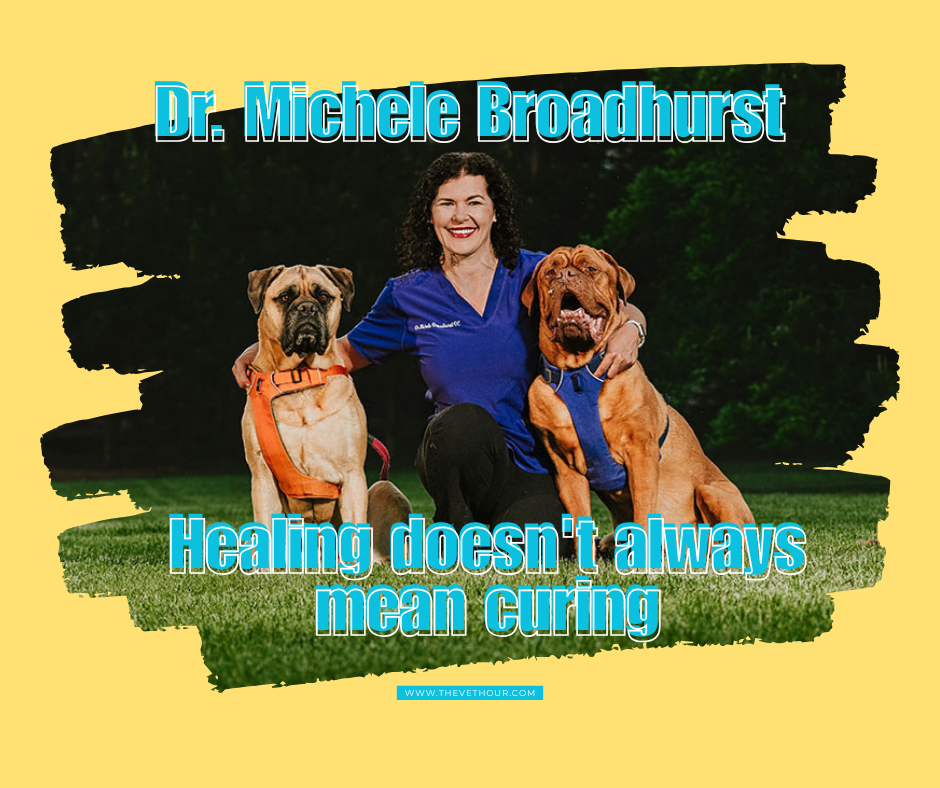
Demystifying Veterinary Chiropractic Care
Thevethour: Many pet owners (and even some traditional veterinarians) still harbor misconceptions about chiropractic care, often imagining aggressive „bone-cracking“ or viewing it as pseudo-science. How do you describe the gentle reality of a veterinary chiropractic adjustment, and what is actually happening neurologically and biomechanically when you treat an animal?
Dr. Broadhurst: One of the biggest misconceptions about veterinary chiropractic care is that people imagine dramatic force, loud cracking noises, or bones being „put back into place.“ In reality, that’s not what we’re doing.

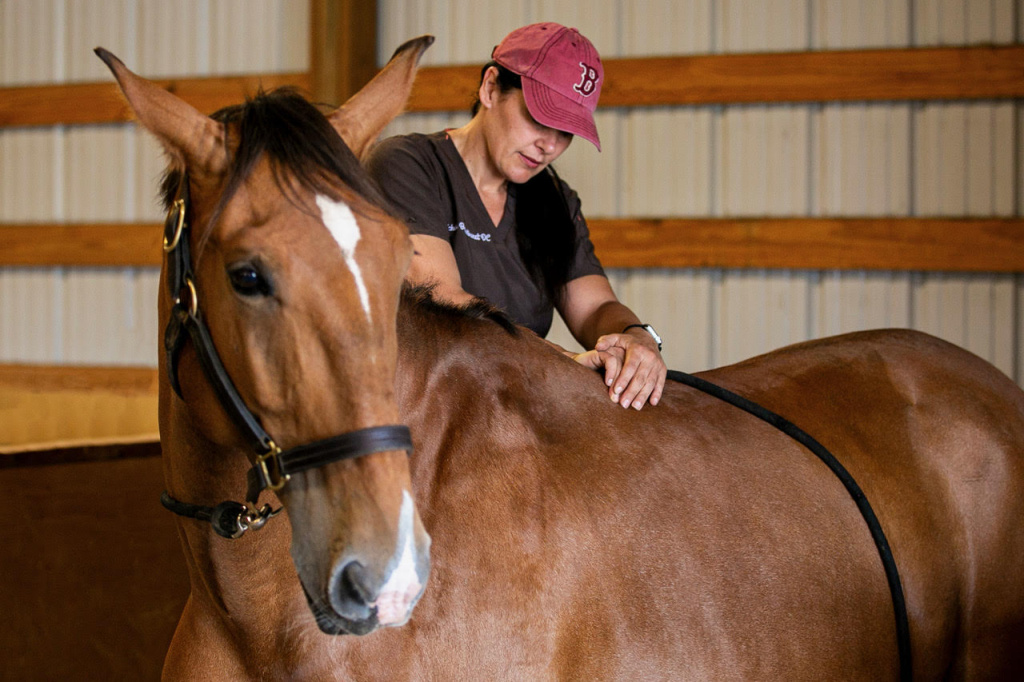
A veterinary chiropractic adjustment is a very precise, controlled, low-force movement applied to a specific joint that has lost normal mobility. The goal isn’t to force a joint into position. It’s to restore normal movement and improve communication between the nervous system and the body.
Neurologically, joints are packed with receptors that constantly send information to the brain about position, movement, and load. When a joint isn’t moving properly, that information becomes altered. The brain then adapts movement patterns around that dysfunction, often leading to compensation, muscle tension, and inefficient movement.
Biomechanically, restricted joints create a ripple effect. Much like a wheel alignment issue on a car, a small problem in one area can eventually affect the entire system. By restoring mobility to those joints, we often see improvements in comfort, movement quality, muscle function, and overall performance.
It’s a gentle intervention, but the effects can be surprisingly significant because we’re working with the nervous system as much as the musculoskeletal system.
The Hidden Enemy: Understanding Myofascial Pain and Trigger Points
Thevethour: You are a leading expert and author on myofascial pain in animals. While many focus strictly on bones and joints, the muscular fascia often holds immense, hidden chronic pain and trigger points that can mimic or worsen orthopedic conditions. Could you explain what myofascial pain syndrome actually is in dogs, and why it is so frequently overlooked in standard veterinary exams?
Dr. Broadhurst: Myofascial pain syndrome is one of the most common yet under-recognized sources of pain that I see in clinical practice.
When most people think about mobility problems, they think about bones, joints, arthritis, or ligaments. What often gets missed is the soft tissue system that surrounds and connects all of those structures. Muscles and fascia are richly innervated, highly responsive to stress and injury, and capable of generating significant pain in their own right.
A trigger point is essentially a hyperirritable area within a muscle that remains contracted and dysfunctional. These areas can alter movement, create pain locally, refer pain elsewhere in the body, and change how a dog uses its limbs and spine.
The challenge is that myofascial pain doesn’t always show up on radiographs, CT scans, or MRIs. A dog can have significant muscular dysfunction while imaging appears relatively unremarkable. Conversely, a dog may have substantial arthritic changes on imaging but be more limited by the secondary muscular compensations than the arthritis itself.
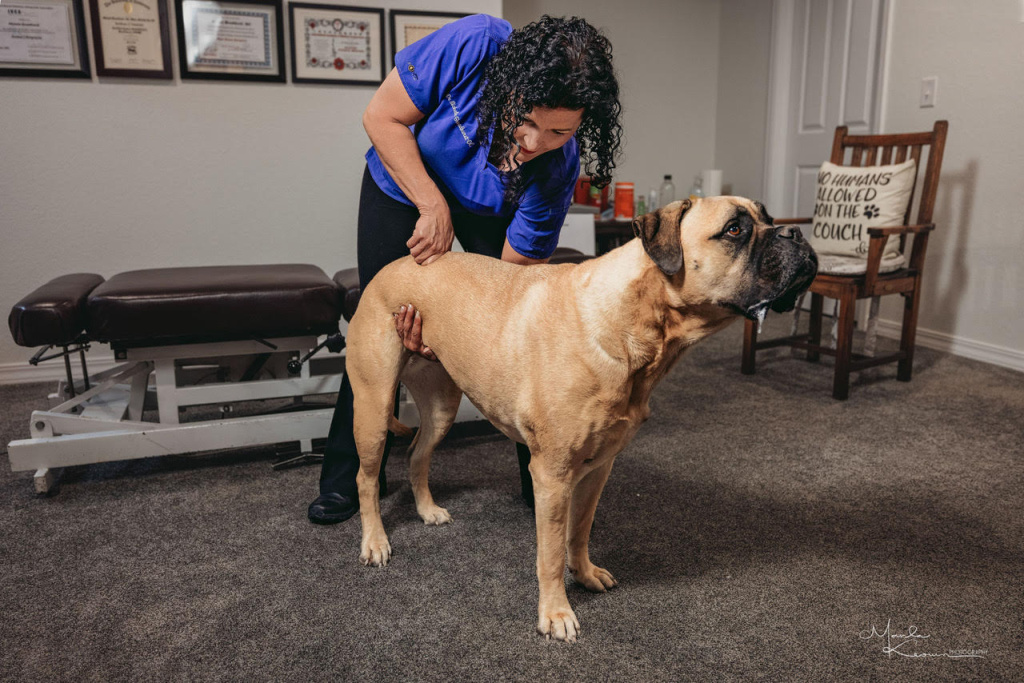
I think it’s frequently overlooked because veterinary medicine has traditionally been very focused on structural pathology. We are excellent at identifying joint disease, fractures, and neurological deficits. Soft tissue dysfunction can be harder to quantify, which means it is sometimes underappreciated despite having a profound impact on comfort and function.
When I evaluate a patient, I’m not just looking at what is damaged. I’m looking at how the entire body has adapted to that damage. That’s often where the most important information lives.
When most people think about mobility problems, they think about bones, joints, arthritis, or ligaments. What often gets missed is the soft tissue system that surrounds and connects all of those structures.
The Perfect Synergy in Multimodal Pain Management
Thevethour: At The Vet Hour, we strongly advocate for integration rather than isolation. Manual therapies are not a replacement for traditional medicine, but powerful allies. How does addressing both the nervous system (via chiropractic) and the soft tissue (via myofascial therapy) complement traditional veterinary treatments, particularly when managing chronic conditions like canine arthritis or hip dysplasia?
Dr. Broadhurst: One of the reasons I enjoy both chiropractic and myofascial therapy is that they allow us to address different pieces of the same puzzle.
Chiropractic care primarily focuses on restoring normal joint motion and improving communication within the nervous system. Myofascial therapy addresses the soft tissue adaptations that develop around pain, injury, and altered movement patterns.
The two are deeply connected.
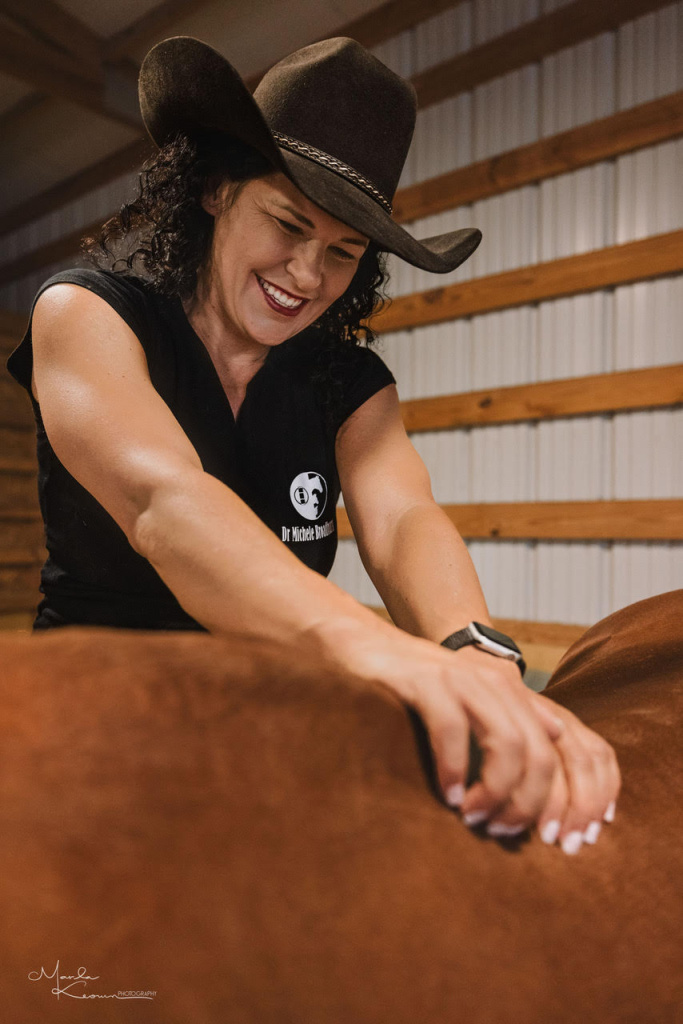
A joint that isn’t moving normally will often create compensatory muscle tension. Likewise, a dysfunctional muscle can alter how a joint moves and loads. It’s a bit like trying to improve the performance of an orchestra when both the conductor and several musicians are struggling. You can focus on one, but you’ll get better results when both are functioning well.
In chronic conditions such as arthritis or hip dysplasia, we often see a cycle develop. Pain alters movement. Altered movement creates compensation. Compensation creates muscular overload and joint restriction. Those restrictions then contribute to further dysfunction.
Traditional veterinary medicine plays an essential role through diagnostics, pharmacologic management, weight management, regenerative medicine, and surgery when indicated. Manual therapies complement those interventions by helping restore function within the system that remains.
The goal isn’t simply to reduce pain. It’s to help the patient move more efficiently, compensate less, and maintain quality of life for as long as possible.
That’s why I believe collaborative medicine consistently produces the best outcomes.
When I evaluate a patient, I’m not just looking at what is damaged. I’m looking at how the entire body has adapted to that damage. That’s often where the most important information lives.
Red Flags for Pet Owners
Thevethour: Animals are masters at hiding pain, and soft tissue or spinal discomfort is often brushed off as just „getting old“ or „laziness.“ What are some subtle, early warning signs in a dog or cat’s posture, touch sensitivity, or behavior that should signal to a pet owner that their animal might be suffering from myofascial pain or a spinal restriction?
Dr. Broadhurst: One of the biggest misconceptions I encounter is that pain should be obvious.
In reality, many dogs and cats don’t become overtly lame. They simply change their behaviour.
Some of the early signs I encourage owners to watch for include:
- Reluctance to be touched in certain areas
- Flinching during grooming or petting
- Changes in sleeping positions
- Difficulty getting comfortable
- Increased stretching
- Muscle twitching when touched
- Reduced willingness to jump, climb stairs, or play
- Turning the whole body rather than the neck
- A consistently tucked tail or altered tail carriage
- Changes in posture when standing
- Uneven muscle development
- Subtle behavioural changes such as irritability, withdrawal, or reduced enthusiasm
One of the most common comments I hear is, „I thought he was just getting older.“
Age itself doesn’t cause these changes. Something is driving them.
A trigger point is essentially a hyperirritable area within a muscle that remains contracted and dysfunctional. These areas can alter movement, create pain locally, refer pain elsewhere in the body, and change how a dog uses its limbs and spine.
Pain in animals is often expressed as reduced participation rather than dramatic distress. They stop doing things before they start complaining about them.
That’s why paying attention to small behavioural changes can be so valuable. The earlier we identify a problem, the more options we typically have available.
Inspiring the Next Generation of Bulgarian Vets
Thevethour: In Bulgaria, advanced manual and physical therapies are incredibly rare, and we have only one known veterinarian practicing chiropractic care in the entire country. For the young veterinarians and vet students reading The Vet Hour who might want to specialize in myofascial pain and chiropractic care, what advice would you give them, and how has this work changed your own perspective on what „healing“ truly means?
Dr. Broadhurst: My advice to young veterinarians interested in this field is simple: become an excellent veterinarian first, then become an excellent manual therapist.
The most effective practitioners understand pathology, diagnostics, biomechanics, neurology, rehabilitation, pain science, and traditional veterinary medicine. Manual therapies are not separate from medicine; they are part of medicine.
I would also encourage them to stay curious.
Some of the most important lessons I’ve learned have come from asking why a patient is moving the way they are rather than simply asking what diagnosis they have. Those are not always the same question.
This work has fundamentally changed how I think about healing.
Earlier in my career, I probably viewed success primarily through the lens of diagnosis and treatment. Today, I think much more about function, comfort, adaptability, and quality of life.
Healing doesn’t always mean curing.
Many of the patients we care for have chronic conditions that won’t disappear. Arthritis remains arthritis. Degenerative diseases continue to progress. Yet we can still make a meaningful difference.
The most effective practitioners understand pathology, diagnostics, biomechanics, neurology, rehabilitation, pain science, and traditional veterinary medicine. Manual therapies are not separate from medicine; they are part of medicine.
If we help a dog move comfortably enough to enjoy a walk, return to a favourite activity, or engage with their family again, that matters.
The longer I do this work, the more I realise that healing is often about restoring possibility rather than creating perfection. And that, to me, is one of the most rewarding parts of veterinary medicine and rehabilitation.
A Memorable Turning Point
Thevethour: Throughout your remarkable career, you have undoubtedly treated cases where addressing myofascial trigger points and spinal restrictions achieved what seemed impossible. Could you share one specific, memorable success story where your therapies drastically restored a patient’s quality of life?
Dr. Broadhurst: One case that has stayed with me involved a middle-aged agility dog whose owner and handler were adamant that he wasn’t in pain. He wasn’t lame. He wasn’t showing obvious mobility deficits. But he had gradually stopped doing many of the things he had once loved, and his performance was steadily declining.
Arthritis remains arthritis. Degenerative diseases continue to progress. Yet we can still make a meaningful difference.
His family had done everything right. They had pursued diagnostics, worked closely with their veterinarian, trialed appropriate medications, and remained deeply committed to finding answers. Yet despite everyone’s efforts, something still wasn’t adding up.
During my orthopedic assessment, I identified significant hypertrophy and hypertonicity of the sartorius muscle on one side. While that may sound like a relatively small finding, it was having a substantial impact on how his stifle and sacroiliac joint were functioning. The altered muscle tension was changing movement patterns, creating compensations, and affecting the efficiency of his gait.
What made the difference wasn’t a single adjustment or a dramatic overnight transformation. It was the combination of careful assessment, targeted chiropractic adjustments, myofascial work to address the dysfunctional sartorius muscle, and restoring balanced activation between the agonist and antagonist muscle groups.
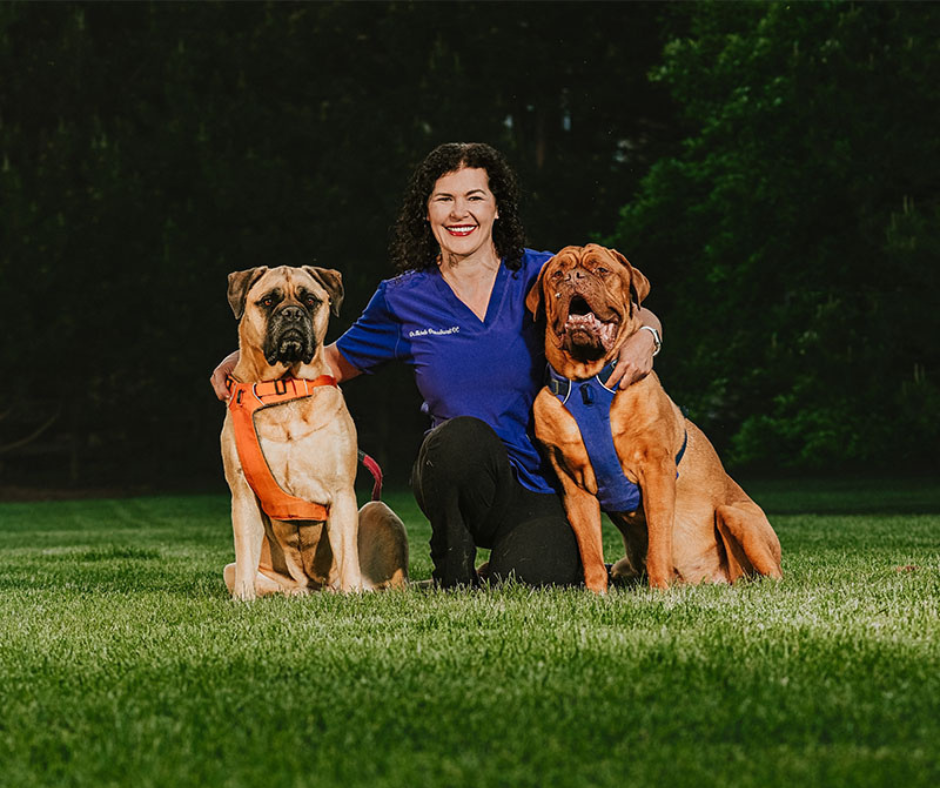
Over the following two weeks, his movement became noticeably more fluid and efficient. He began engaging with his environment differently. His enthusiasm returned. Most importantly, both his owner and handler told me they felt like they had their dog back.
He went on to return to competition and performed exceptionally well.
Cases like this are a powerful reminder that success isn’t always reflected in imaging findings or measured by perfect gait mechanics. Sometimes success is helping a dog move the way their body was designed to move. Sometimes it’s seeing them confidently tackle an A-frame again. Sometimes it’s simply watching them choose to participate in life rather than sit on the sidelines..
And sometimes it’s simply giving both the animal and the family a little more quality time together.
Those are the outcomes that stay with you long after the appointment is over.