
Edward, we are absolutely thrilled to have you as a guest for our international column, Wildlife. Your role as a capture and sedation specialist for MPI sounds like a blend of high-level veterinary science and extreme field operations. Here are our questions for you:
The Art and Mathematics of Field Sedation
Thevethour: You operate in highly diverse and unpredictable environments, from the dense rainforests of South America to the open savannahs of Africa. In a controlled clinic, a vet has scales and monitored oxygen; on the field, you have a split second to estimate a wild animal’s weight and health from a distance. How do you calculate the perfect „cocktail“ of immobilizing drugs under such intense pressure, and what are the primary risks you must mitigate immediately after the dart hits the target?
Edward: Indeed, field conditions are far less predictable than a veterinary clinic. We rely heavily on years of experience and established data from previous captures. For example, in South America we generally work from known average weights for each species based on years of research, allowing us to calculate the appropriate immobilization drug dosages. In East Africa, we are often able to get much closer to the animals before darting, which allows us to estimate body weight more accurately using the experience of our veterinary and capture teams.
One important point is that the immobilization drugs we use have relatively wide safety margins, so there is flexibility within the recommended dosage range. This helps ensure that we can safely immobilize the animal without the risk of accidentally administering an excessive dose.
When it comes to risk management, the safety of both the animals and the people involved is always our highest priority. Our goal is for every animal to recover safely and for every team member to return home safely at the end of the day.
One of the primary risks during darting is that the dart may not deliver the full dose due to a mechanical issue or incomplete injection. In these situations, we closely monitor the animal for any signs that the initial dose has begun taking effect. If necessary, a carefully calculated supplemental dose is administered to ensure the animal can be safely immobilized.
Managing Capture Myopathy and Extreme Stress
Thevethour: For a wild animal, being pursued and captured by humans is likely the most terrifying experience of its life, and the physiological toll can be fatal due to capture myopathy. From a veterinary standpoint, what protocols and modern techniques do you use to minimize stress, manage hyperthermia, and ensure the animal’s cardiovascular and respiratory systems remain stable throughout the procedure?
Edward: That’s an excellent question.
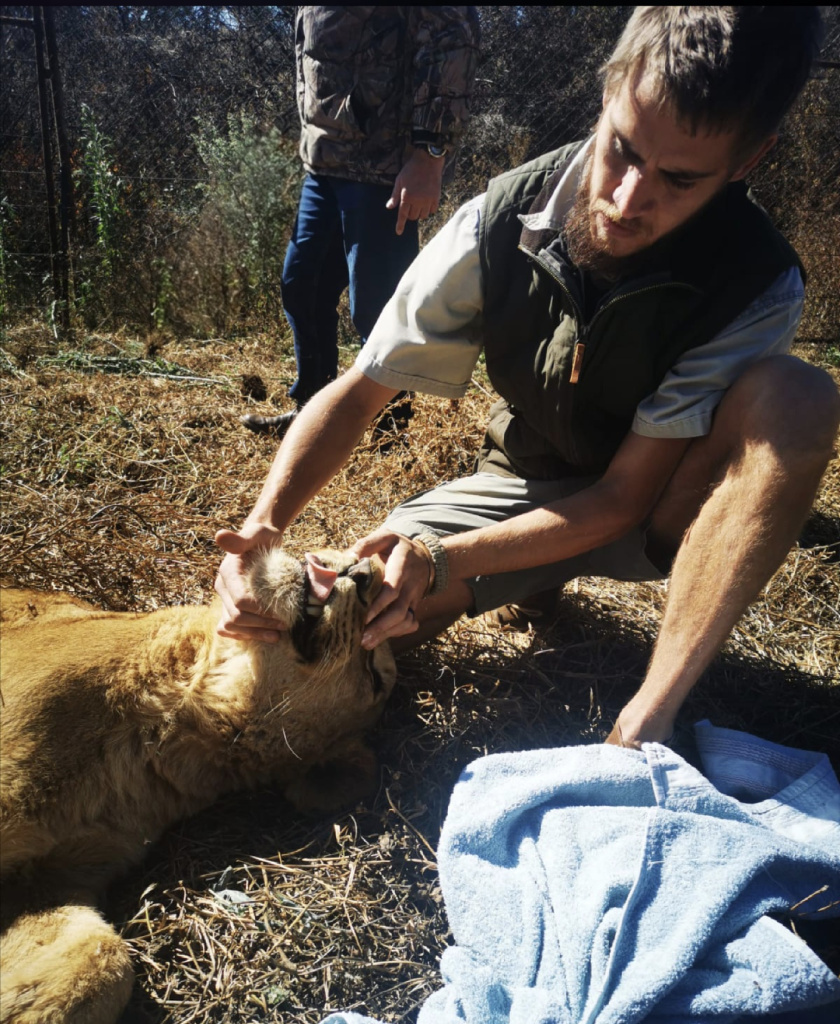
My role is primarily as a capture specialist, focusing on trapping and darting animals. I work closely alongside veterinary teams at every project, whether they are local veterinarians or specialists travelling with us.
Capture myopathy is a risk that every professional capture team takes very seriously, and we work hard to minimize that risk through several protocols.
Once an animal is safely immobilized, it receives supplementary fluids to support recovery from the immobilization drugs and assist the body’s recovery process. We also avoid unnecessarily pushing or chasing animals before capture, as excessive stress significantly increases the risk of complications.
Another important factor is keeping the environment as calm and quiet as possible. Even after an animal is immobilized, we limit unnecessary human activity and noise around it to reduce stress during handling.
Whenever possible, we also allow animals time to become familiar with traps before capture begins. By leaving traps in the environment beforehand, animals can gradually acclimatize to their presence instead of encountering something completely unfamiliar on the day of capture.
Throughout the procedure, the veterinary team and capture staff continuously monitor the animal’s vital signs. Animals are provided with supplementary oxygen while under sedation to help maintain stable respiration and ensure the safest possible conditions throughout the procedure.
The Tech and Tools of a Capture Specialist
Thevethour: Wildlife medicine has evolved significantly with technology. Could you share a bit about the specialized equipment you rely on today? How have advancements in darting systems, reversible anesthetic agents, or even real-time field monitoring devices changed the safety margins for both the animals and the capture team compared to a decade ago?
Edward: Technology has advanced tremendously in wildlife capture and monitoring—not only over the past decade, but even within the last five years.
The darts we use today are specifically designed for smaller animals, featuring shorter needles and lower-volume drug delivery systems that reduce the impact of the dart itself and minimize trauma during immobilization.
Trap capture has also evolved significantly. We have moved from traditional foot-trigger traps, where an animal steps on a pressure plate to close the door, to remotely operated long-distance trigger systems fitted with secure locking mechanisms. These systems allow us to target specific animals with much greater accuracy while reducing the likelihood of capturing the wrong individual.
Because the traps can be operated remotely, we are able to observe animals from a safe distance, reducing stress while still maintaining full control over the capture process. We can also ensure that no unintended animals are inside the trap before activation, making the entire process safer for both the wildlife and the capture team.
GPS collars in itself are far better these days with more programmable settings to customize collection as well as Solar charging so smaller batteries are needed for long term deployments.
Species Specifics: Jaguars vs. Elephants
Thevethour: Every species reacts differently to anesthesia and capture protocols. What has been the most challenging or unpredictable species you have ever had to capture and sedate? Is there a memorable field story where things didn’t go exactly as planned, and how did your veterinary instincts help control the situation?
Edward: There are so many stories and never enough time to tell them all.
Every species comes with its own unique challenges, whether the capture method involves trapping, darting, or large-scale captures in bomas. Beyond species differences, every individual animal is different. In many ways, animals are just like people—each individual can respond differently to immobilization drugs. Just as doctors adjust anaesthetic dosages for different human patients, wildlife veterinarians sometimes need to make similar adjustments based on the individual animal.
Every species I’ve worked with has its own collection of memorable experiences—from animals destroying traps before we even had the opportunity to capture them, to spending weeks preparing for a capture only for the target animal to never appear.
My favourite species to work with is still lions.
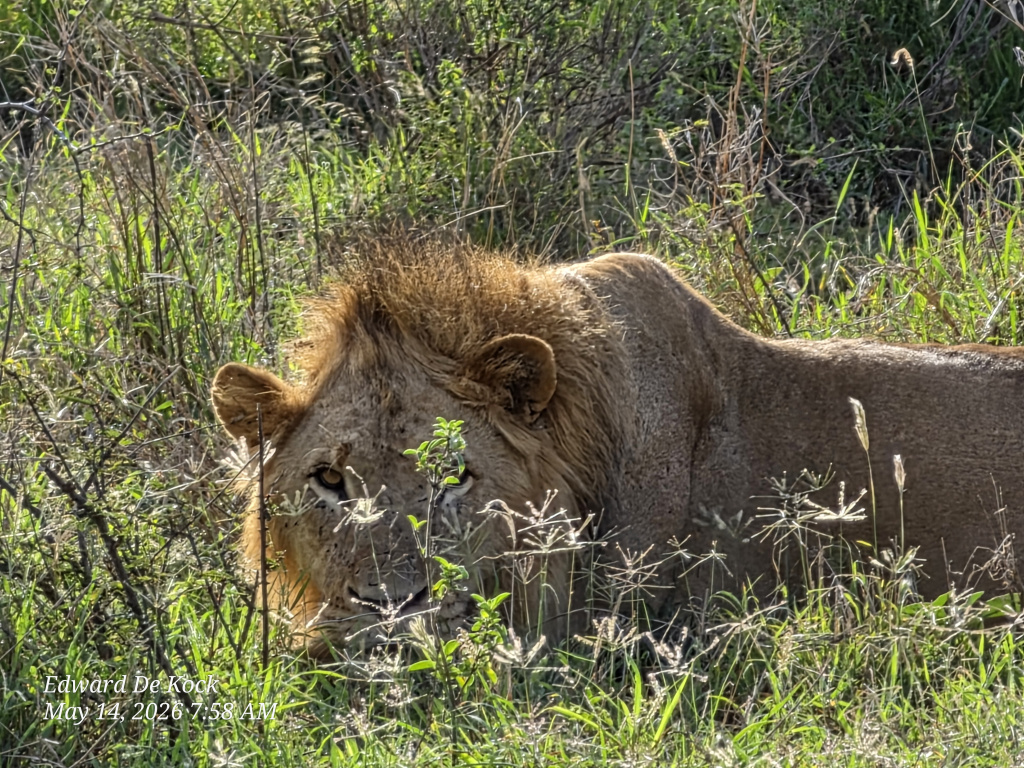
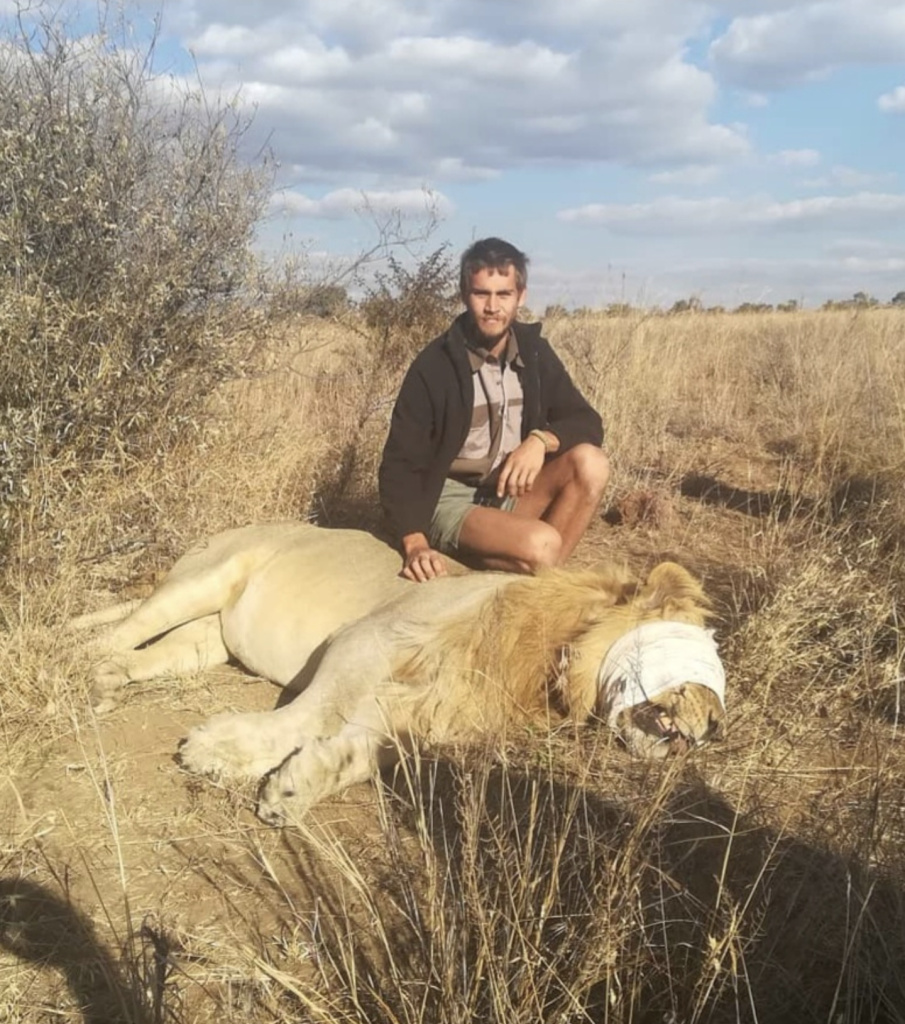
Back in 2018, while working in South Africa, I was called to assist with fitting a new GPS collar to a young male lion, approximately three years old, that was still travelling with its mother.
Everything initially went according to plan. The lion was darted and became recumbent after about ten minutes, exactly as expected with that drug combination.
However, as the lead veterinarian and I approached the lion to confirm it was fully anesthetized, the young male slowly stood up and calmly walked away. He wasn’t aware that we were only a few metres from him—he simply got up, walked a short distance, and lay back down as though nothing had happened.
At that moment, we found ourselves standing in the open with a partially sedated male lion and a protective female somewhere nearby in the surrounding bush.
In situations like that, training takes over. The most important thing is to remain calm, stay focused, trust your team, and prepare to safely administer a second dart to ensure the animal is fully immobilized.
We successfully darted the lion a second time, completed the collar fitting safely, and released him back into the reserve a short time later.
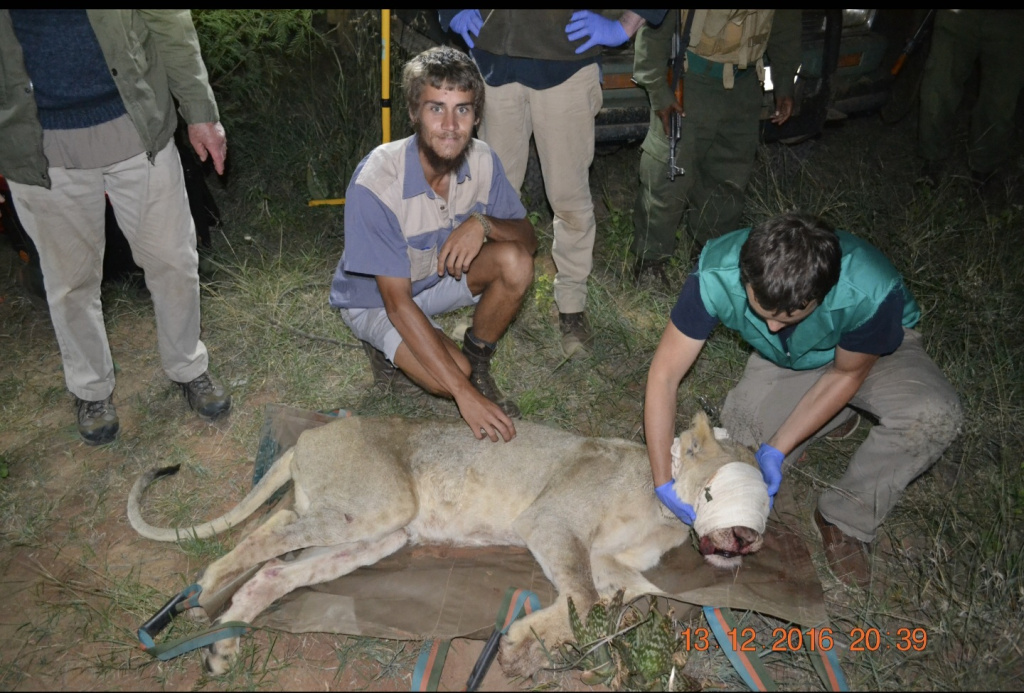
There are several possible reasons why this can happen. The dart may have only delivered part of the drug due to a mechanical issue, the animal may have weighed more than estimated and therefore received a lower-than-ideal dose, or the lion’s metabolism may simply have processed the drugs more quickly. Humans can respond differently to anaesthetics as well, and wildlife is no different.
If there is one lesson I learned from having a lion wake up only a few metres away, it is this: trust your training, trust your team, trust the drugs, and above all, stay calm. Remaining composed is one of the most important safety tools you have in that situation.
The Philosophy of a Wildlife Vet
Thevethour: Domestic animals often learn to accept or trust human medical intervention, but wild animals view you strictly as a predator. What is the most profound lesson that working with completely untamed, free-ranging wildlife has taught you about animal behavior, resilience, and the true meaning of veterinary medicine in its rawest form?
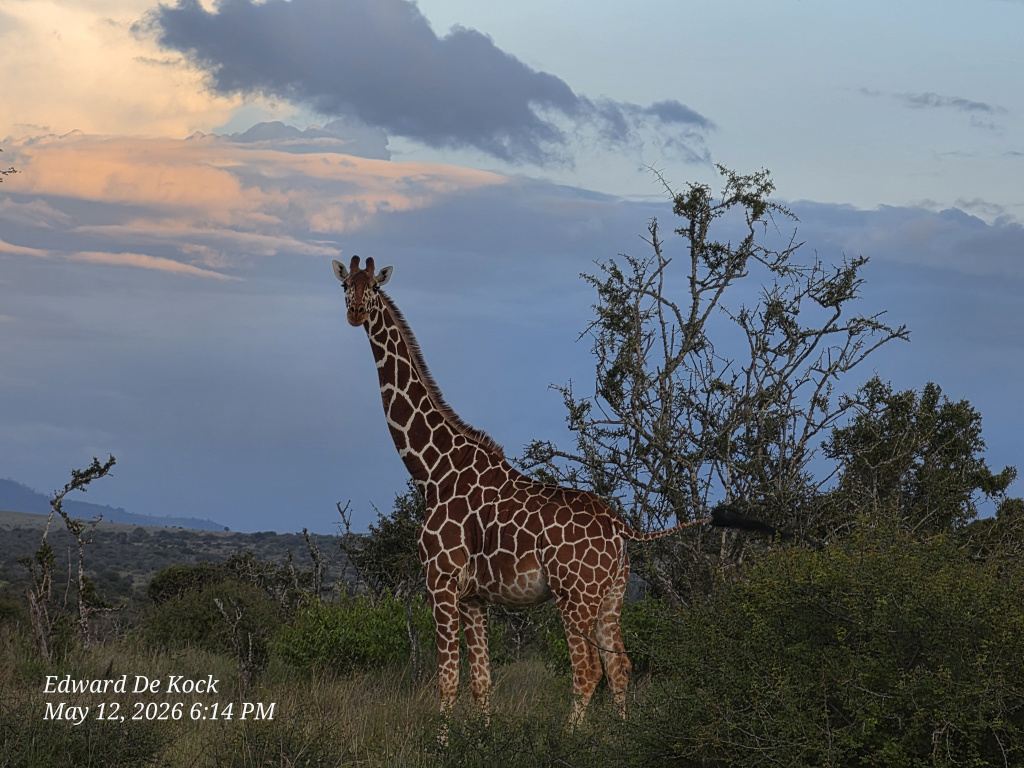
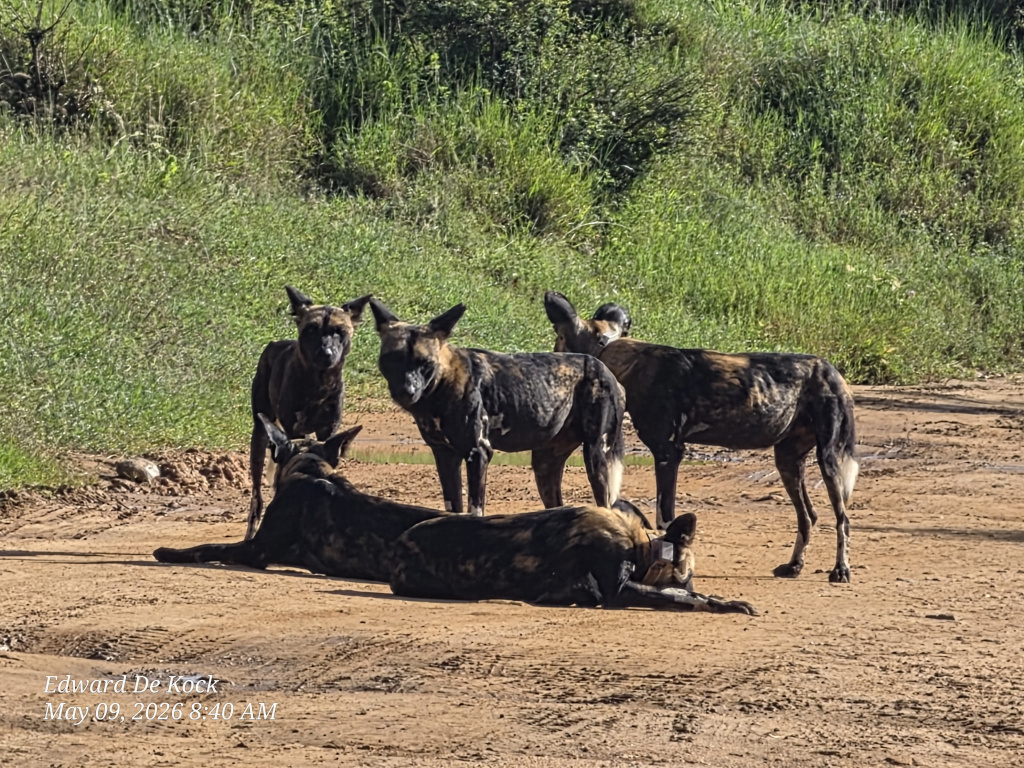
Edward: From the perspective of someone on the capture team, one of the biggest lessons I’ve learned is just how incredibly resilient wild animals truly are.
After trapping and immobilizing animals, we perform full physical examinations. Time and again, we find old scars, healed fractures, and even animals that have survived with amputated limbs. Seeing how these animals have recovered completely on their own, without any human intervention, is truly remarkable.
What I’ve also come to understand is that every day and every animal presents a new challenge. No matter how carefully we plan or how much experience we have, wildlife will always find new ways to surprise us. They continually demonstrate their ability to adapt and survive, whether on the African savannahs or in the rainforests of Central America.
As capture specialists and veterinary teams, our responsibility is to learn from every capture, continuously improve our methods, and make every operation as safe as possible—for both the animals and the people working with them. Working with truly wild animals is a constant reminder that nature cannot be completely controlled, only respected.